
From Sick Homes to Healthy Households: The Challenge of Habitability and Health in Catalonia
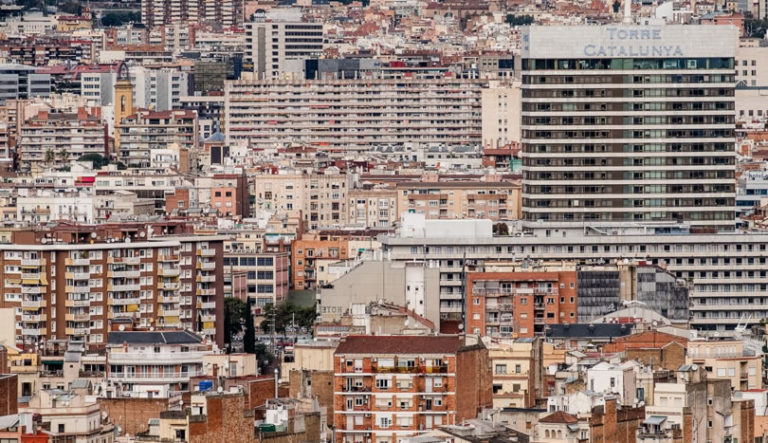
In the 21st century, the concept of a healthy home has become a key pillar in ensuring both individual and collective well-being. Beyond being a mere shelter, housing has a direct impact on our physical, mental, and emotional health. In Catalonia—where the building stock is notably aged and high urban density exacerbates environmental and social effects—the debate on how to rehabilitate, transform, and rethink our domestic spaces has taken on a structural urgency.
When Housing Becomes Sick: The Sick Building Syndrome
Sick Building Syndrome (SBS) exemplifies how architecture can become a vector of pathology. This condition, described by the World Health Organization, encompasses a set of physical and psychological symptoms—such as headaches, eye irritation, fatigue, or difficulty concentrating—experienced by occupants of certain buildings where environmental conditions are inadequate. Its multifactorial nature makes it hard to identify and treat, which contributes to its invisibility and chronicity.
According to the College of Quantity Surveyors, Technical Architects and Building Engineers of Tarragona, the main causes of SBS include:
-
Poor indoor air quality: insufficient ventilation, high CO₂ levels, presence of volatile organic compounds (VOCs) emitted by materials, furniture, or cleaning products, and carbon monoxide from poor combustion.
-
Inadequate thermal and humidity conditions: extreme or fluctuating temperatures, and excessive humidity that encourages mold and mite growth.
-
Biological contaminants: molds, fungi, bacteria, and allergens in poorly ventilated spaces.
-
Inadequate lighting: either too much or too little can cause visual fatigue.
-
Noise: both internal and external noise pollution has proven effects on stress and rest.
-
Psychosocial factors: work-related or interpersonal stress also influences the perception of SBS.
Recognising this problem is essential, as many people suffer its effects without identifying their origin in the built environment.
Housing and Public Health: A Matter of Social Justice
In Catalonia, institutions like the Public Health Agency of Barcelona (ASPB) have made the link between housing and health a priority area of action. Decent, healthy housing is considered a key determinant of public health, which is why policies are advocated to address aspects such as:
-
Indoor air quality and ventilation.
-
Safety of installations (gas, electricity, drinking water).
-
Thermal comfort and humidity control.
-
Pest control.
-
Universal accessibility.
-
Structural condition of the building.
The Barcelona Provincial Council has also published guides to improve the healthiness of the built environment and prevent environmental risks, especially in the most vulnerable households.
Rehabilitation: Investing in Health Through Architecture
Housing rehabilitation is a powerful tool for transforming potentially harmful spaces into healthy homes. Beyond energy efficiency, these interventions have a direct impact on occupants’ health. Some key actions include:
-
Improving thermal and acoustic insulation, reducing energy consumption and stress caused by noise.
-
Installing mechanical ventilation systems that ensure good air renewal.
-
Eliminating dampness and mold by addressing their structural causes.
-
Replacing toxic materials with eco-friendly, low-VOC alternatives.
-
Optimising natural light through windows, furniture layout, and light colours.
These improvements yield not only individual but also collective benefits: reducing healthcare costs, boosting local employment, and improving health equity.
Smart Buildings and Sustainable Construction: The Future of Habitat
Smart buildings and sustainable construction represent the natural evolution of healthy living spaces:
-
Smart buildings: integrate technology to regulate temperature, humidity, air quality, and energy use in real time. This optimises comfort without sacrificing sustainability.
-
Sustainable construction: based on non-toxic materials, energy efficiency, and integration with the natural environment. It also includes green roofs, passive ventilation systems, and natural lighting.
Barcelona and other Catalan cities are leading reference projects in this field, with increasingly demanding regulations and a firm commitment to urban health.
Small Changes, Big Results
A full renovation is not always required to improve well-being at home. Some simple measures can make a significant difference:
-
Ventilate for at least 10–15 minutes a day.
-
Use extractors or dehumidifiers to control humidity.
-
Reduce the use of air fresheners and harsh cleaning products.
-
Introduce air-purifying plants like sansevieria or pothos.
-
Use LED lighting with appropriate temperature for each space.
-
Soften noise with rugs, thick curtains, or double glazing.
-
Choose furniture made from natural materials and solvent-free paints.
-
Keep things tidy to foster mental calm.
Feng Shui: Harmony, Energy, and Well-Being
Although not scientifically grounded, Feng Shui coincides with many modern recommendations for a healthy home: order, natural light, cross ventilation, use of natural materials, and visual and functional balance. Its integration can provide symbolic, emotional, and sensory value to the home environment.
Policy, Economy, and the Right to Healthy Housing
Unhealthy housing is not just an architectural issue but also a reflection of social inequality. People with fewer resources more often live in poor conditions, leading to higher rates of respiratory, mental, and chronic illnesses.
The study Salut i desigualtats en l’habitatge social a Barcelona makes it clear: where housing is worse, health indicators are worse.
Therefore, it is essential to:
-
Promote public subsidies for rehabilitation.
-
Demand more ambitious regulations on indoor environmental quality.
-
Educate citizens on risk factors.
-
Support housing models such as cooperative housing under use-transfer, which prioritises well-being and sustainability over profit.
A Positive Outlook: Rethinking Housing as Public Health
Barcelona and Catalonia are building a future model in which the home is understood as health infrastructure. Synergies between architecture, engineering, public health, and social policy are the key to ensuring homes that don’t cause illness—but rather heal, support, and empower.
Transforming the building stock is not only an aesthetic or energy improvement, but a structural investment in health, equity, and sustainability. Because the right to healthy housing is also the right to a dignified life.